What Is Truth? The Question at the Heart of Thirteen Witnesses
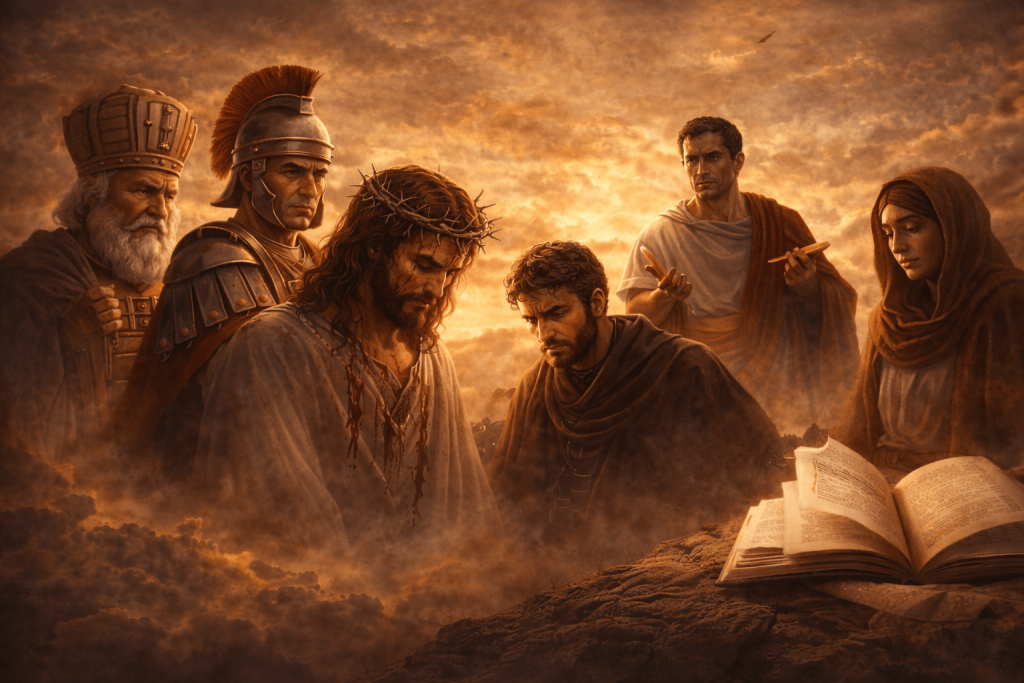
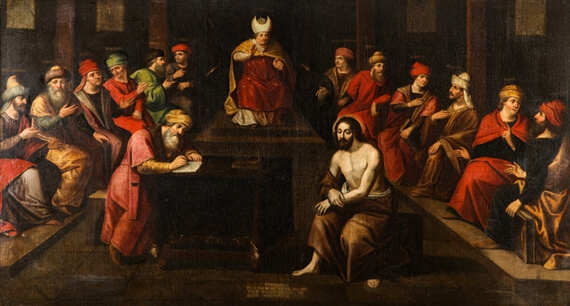
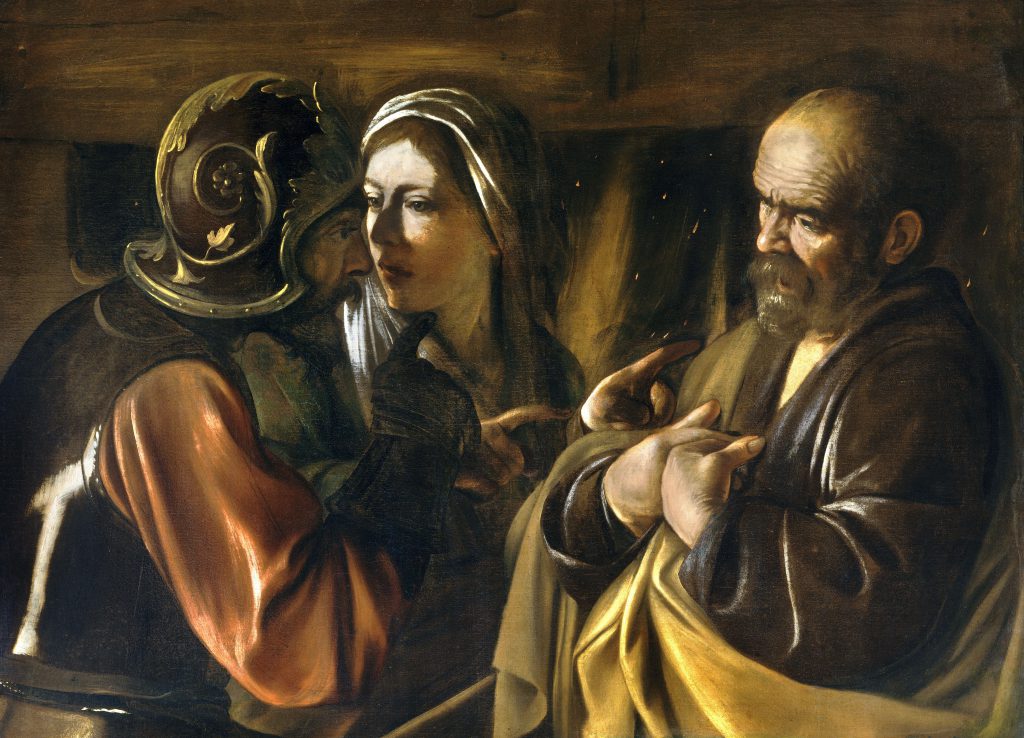
“What is truth?” Pontius Pilate asked this question in the Gospel of John, standing before a man who had spent three years claiming to be the answer. He asked it and then walked away without waiting for a reply. It may be the most important unanswered question in human history. It is also the question at the center of Thirteen Witnesses — the Catholic historical novel by Peter Stephens that reimagines the Passion of Christ through thirteen individual voices. Why the Question Still Matters Peter Stephens did not write this book as a purely historical exercise. He wrote it because he watched something happen in the modern world that disturbed him deeply: the widespread acceptance of claims that people know, at some level, are not true. Misinformation spreads not only because bad actors promote it. It spreads because ordinary people — for reasons of comfort, fear, belonging, or convenience — choose to accept it. That is not a modern invention. It is what happened in Jerusalem two thousand years ago. The crowd that called for crucifixion was not made of monsters. It was made of ordinary people under pressure, caught in a current they did not have the courage or the clarity to resist. Truth in the Testimonies Each of the thirteen witnesses in the novel has their own relationship with truth. Some pursue it. Some deny it. Some see it clearly and choose to look away. Some never had the chance to understand it fully. Alon, the weaver who watches the arrest in Gethsemane, is searching for truth but does not yet know what he is looking for. Betzalel, the Sanhedrin member, knows the truth and chooses power over it. Machla, the servant girl, speaks a small truth — “Are you not one of his disciples?” — and triggers a cascade of denial. The witnesses do not all reach the same conclusion. That is the point. Truth confronts each of them differently, and each of them responds differently. What the book asks is: what would you do? Truth as a Living Decision One of the most striking ideas in Thirteen Witnesses is that truth is not simply something you believe. It is something you act on. Or fail to act on. To know something is true and to say nothing is itself a choice. To know something is false and to repeat it is itself a choice. The witnesses in this novel make those choices in real time, under pressure, in public — and many of them make the wrong one. But the book is not an indictment. It is a mirror. The Question Without an Answer Pilate’s question — “What is truth?” — gets no direct answer in the Gospel. But the events that follow are, in a sense, the answer. The truth stood before him. It went through suffering, death, and beyond. And it is still being asked about two thousand years later. Thirteen Witnesses asks you to sit with that question. Not to provide an easy resolution, but to feel the weight of it — and to ask yourself, honestly, how you would respond. The book is available on Amazon. The question is available any time you’re willing to ask it.
What Is Truth? The Question at the Heart of Thirteen Witnesses Read More »