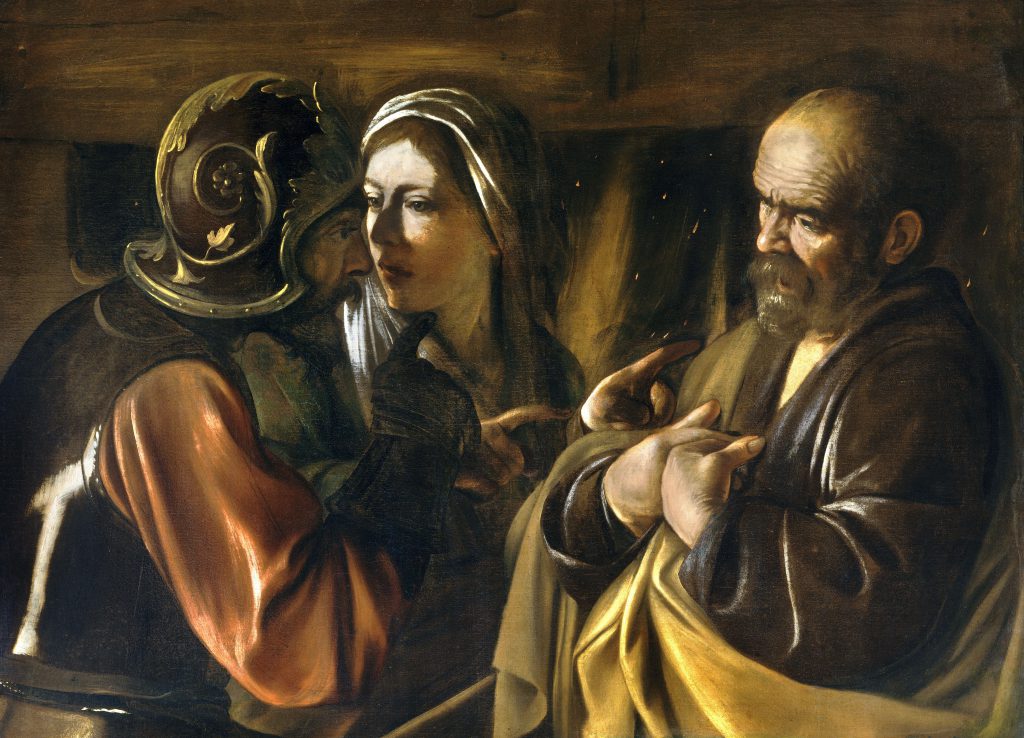
Rather than focusing on theology or doctrine, Thirteen Witnesses follows the Passion in the linear order recorded in the four Gospels. The story moves from the quiet tension of Gethsemane to the public spectacle of the crucifixion, guided by thirteen individual perspectives.
Readers encounter familiar figures such as Peter, whose denial reflects fear and confusion, and Judas Iscariot, whose choices raise unsettling questions about responsibility and despair. Simon of Cyrene appears not as a symbol, but as an ordinary man forced into an extraordinary act. Claudia, the wife of Pontius Pilate, offers a rare viewpoint that exposes the private conflict behind public authority.
Alongside these known figures, Stephens introduces voices drawn from Christian tradition, such as Veronica, and original fictional characters like Alon and Decimus. Alon observes events from the shadows, uncertain of his role, while Decimus carries out his duties as a Roman soldier with growing inner conflict. These imagined perspectives do not contradict Scripture. Instead, they expand its emotional landscape, filling the spaces where history leaves silence.
Sensory Detail and Human Presence
One of the strengths of Thirteen Witnesses is its grounding in concrete detail. The reader can almost hear the murmurs of the crowd, sense the unease in the air, and feel the dust of the streets beneath tired feet. The weight of the cross, the tension of a whispered accusation, and the stillness of a watchful night all serve to anchor the story in lived experience.
This attention to sensory detail helps shift the Passion from abstraction to reality. The events do not unfold in a vacuum. They occur in a city under occupation, among people balancing fear, loyalty, and survival. By emphasizing this human context, Stephens reminds readers that history is shaped by individuals responding moment by moment, often without clarity or certainty.
The Reader as the Fourteenth Witness
A central idea running throughout Thirteen Witnesses is the invitation for the reader to become an additional witness. The book does not tell readers what to think or how to judge the characters. Instead, it presents each testimony and allows space for reflection.
This approach encourages readers to ask difficult questions. Where would I have stood? Would I have spoken, acted, or remained silent? How do fear and convenience influence my own moral choices? In this way, the book becomes more than historical fiction. It becomes a mirror, reflecting the reader’s own responses to injustice, suffering, and truth.
Authorial Insight and Credibility
Peter Stephens brings a thoughtful and disciplined perspective to this work. His experience working with adults in the Becoming Catholic program informs the book’s reflective tone. Rather than offering easy answers, Stephens understands the importance of allowing questions to remain open. His background helps explain the restraint of the narrative and its focus on interior struggle rather than dramatic resolution.
This sensibility is evident in the book’s pacing and structure. Moments are allowed to breathe. Silence carries weight. The reader is trusted to engage actively rather than consume passively. This approach aligns well with readers who value contemplation and moral inquiry alongside storytelling.
Why Thirteen Witnesses Resonates Today
Although rooted in ancient events, Thirteen Witnesses feels particularly relevant in a modern world shaped by moral ambiguity and contested truth. The book explores how ordinary people navigate systems of power, social pressure, and personal fear. These themes transcend religious boundaries and speak to universal human experience.
Whether read as a spiritual reflection, a work of Biblical historical fiction, or a study of ethical decision making, Thirteen Witnesses offers a fresh lens on a story that continues to shape conscience and culture.
Final Thoughts and Call to Action
Thirteen Witnesses invites readers to slow down and engage deeply with one of history’s most significant moments. By grounding the Passion in human perspective, Peter Stephens creates a narrative that is both reverent and challenging.
If you are looking for a book that encourages reflection rather than rushing to conclusion, this novel offers a meaningful place to begin.