In the novel Thirteen Witnesses by Peter Stephens, the Passion of Jesus Christ is not observed from a single vantage point. It unfolds through thirteen distinct voices — each one a different kind of witness to the same events.
Some are figures from Scripture. Others are fictional characters rooted in the historical and cultural reality of first-century Jerusalem. But every one of them faces the same confrontation: truth, standing before them, asking for a response.
Here is a closer look at who they are.
The Scriptural Witnesses
Peter — The most famous of the witnesses. His denial of Christ in the courtyard is one of history’s most documented moments of fear. His testimony in the novel explores what it means to fail someone you love — and whether that failure defines you permanently.
Judas Iscariot — His story raises questions that theology has wrestled with for centuries. Was his betrayal a choice, a compulsion, or something more complex? The novel allows his voice to speak without rushing to a verdict.
Simon of Cyrene — He was not a disciple, not a follower, not even a sympathizer. He was simply a man in the wrong place. Compelled to carry the cross, he became part of the story against his will. What did he see? What did he feel?
Claudia — The wife of Pontius Pilate, she appears briefly in Scripture as a woman who warned her husband about Jesus. In the novel, her perspective reveals the private conflict behind the most famous act of public abdication in history.
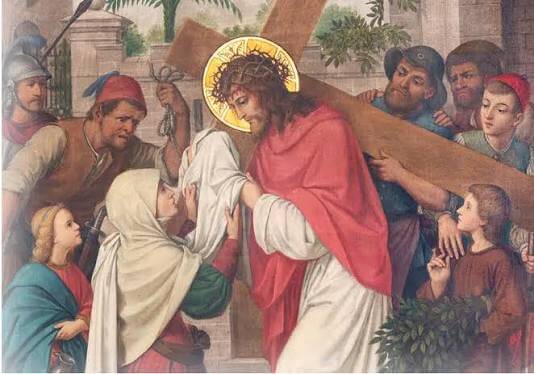
Veronica — Drawn from Catholic tradition, she stepped forward in a moment of public cruelty to offer a cloth to a condemned man. Her action asks a simple but difficult question: when everyone else steps back, what makes one person step forward?
The Fictional Witnesses
Alon — A weaver who witnesses the arrest in Gethsemane. He is not a disciple, not an enemy, not even particularly religious. He is simply a man who happened to be present, and who could not look away. His testimony challenges us to consider what we do when injustice unfolds in front of us.
Betzalel — A respected member of the Sanhedrin who participated in the condemnation of Jesus. He knew something felt wrong. He could feel it. And yet he protected his position. His story is the story of institutional loyalty overriding moral conscience — a dynamic that has repeated itself throughout history.
Machla — The servant girl who recognized Peter. An outsider, a foreigner, a person of no social standing. She asked the simplest question imaginable: are you not one of his disciples? And her question triggered one of the most famous denials in history.
Decimus — A Roman soldier of rank. A man of order and duty. Close enough to power to see its cracks. His loyalty to the system cost him the one thing no system can replace: his own conscience.
The Fourteenth Witness
Though the book is called Thirteen Witnesses, there is always an unspoken fourteenth: the reader.
That is the design of the book. By the time you finish, you have heard thirteen testimonies and faced thirteen versions of the same question. What would you have done? Where would you have stood?
Not every witness in the novel made the right choice. But every witness made a choice. And that, Peter Stephens suggests, is the point.
Thirteen Witnesses is available now on Amazon. Visit the link below to order your copy.